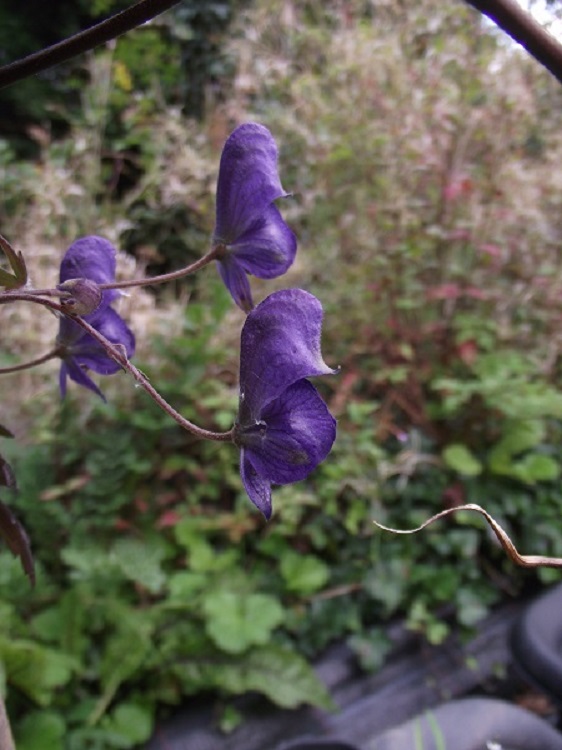
 |
A climbing species with thin twisting stems that wind upwards through thin shrubs and flowers in late summer as the seasons
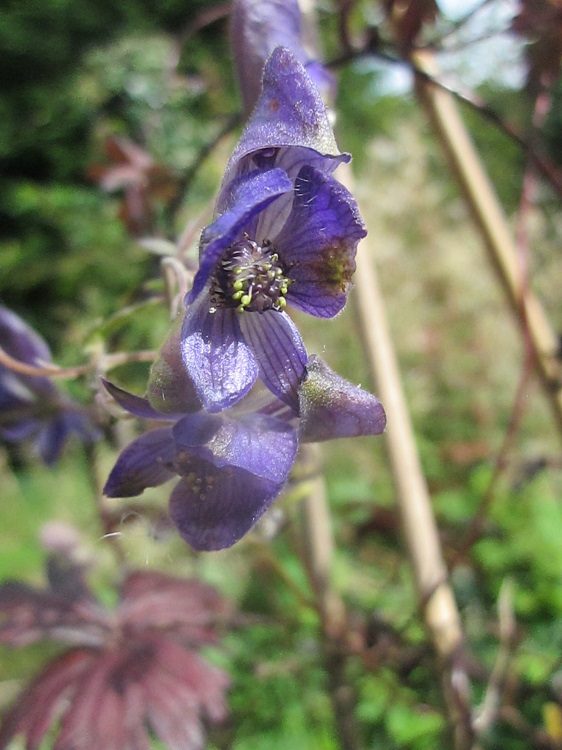
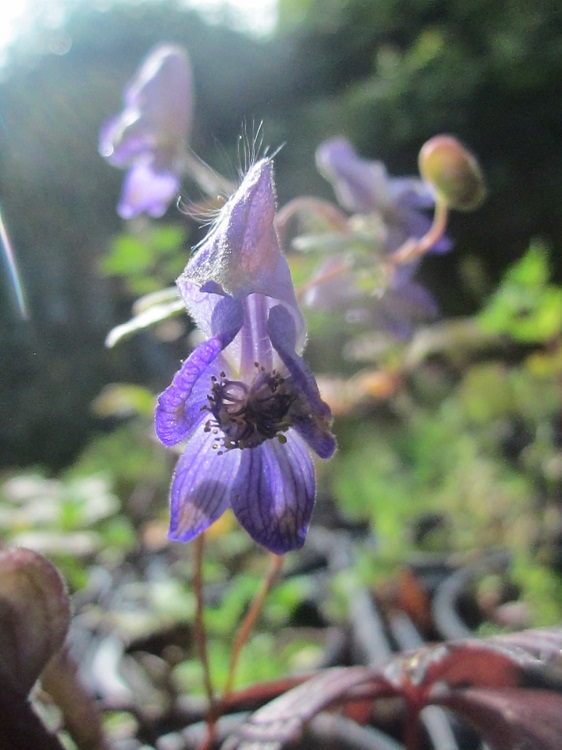
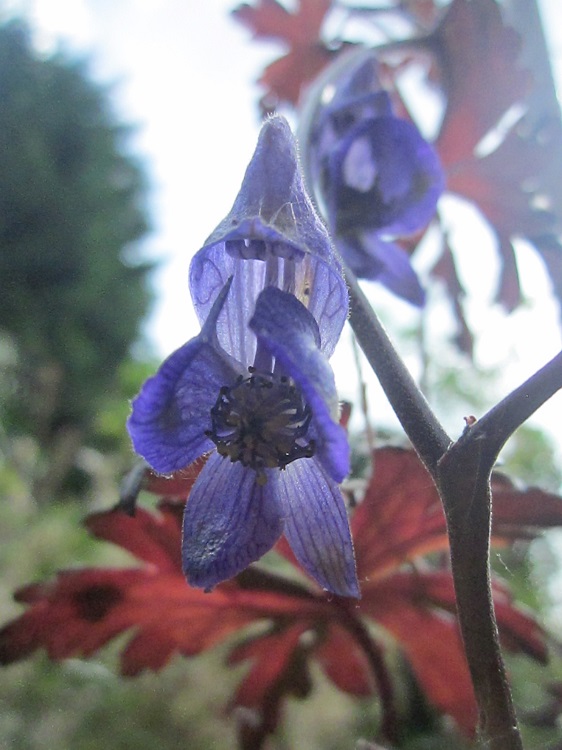
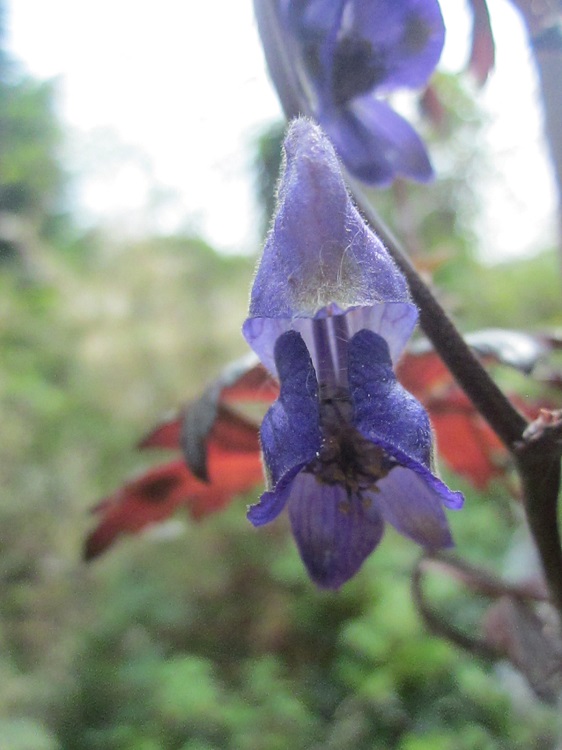
baby swallows take to the wing. I have seen it looking glorious in gardens in the east of the country, not so much in the west. It comes from China and grows easily from seed, producing a glorified turnip-root that will be the source of the following years stems of wriggling promise. Mine didn't survive the winter. Sheer will-power is unfortunately not enough, it seems to like summer warmth as well to support exuberant vining growth. Writing in 'The Plantsman' in 2006, Graham Ware says: "Although this is not a highly vigorous climber, nor is it posessed of large flowers or in great clusters, it is nonetheless relatively reliable. The three lobed leaves vary widely in their degree of lobing, not only in the wild but also in cultivation. Growing to approimately 2.5m, it likes to scramble through rhododendrons or other shrubs, and flowers in late summer or early autumn. Pinus parvifolia var. brevifolia seems an excellent support mate for this one. The overall size and sparse branches of the pine are a perfect foil for this climbing monkshood to display its flowers. As it is one of the most highly variable and widely distributed twining species in the genus (Luo and Yang 2005), Yang (1999) regarded it as a useful research model for investigating morphological variation in Aconitum. Yang and Luo (2002) remark that the habit depends on whether the plant is growing in an open situation, where it remains erect, or among bushes when it is at first erect but then adopts a scandent habit. Yang (1999) has sunk many species recognised by Wang (1979) into A hemsleyanum. These include A. austroyunnanense, A. chingtungense, A. crassicaule, A. hsiae, A. valdinerve, A. weixiense and numerous varieties. However, Yang has retained var. atropurpureum. If this consolidated treatment is followed in horticultural circles, the variation in cultivated plants will need to be recognised, perhaps giving rise to cultivar ot group names." |
|
| 23rd August 2013 | ||