Home Index Web Stuff Copyright Links Me

Sonchus canariensis


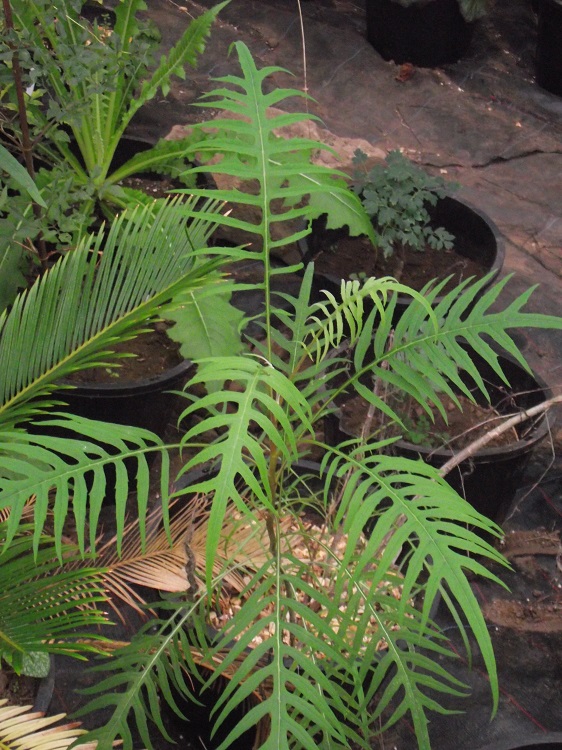
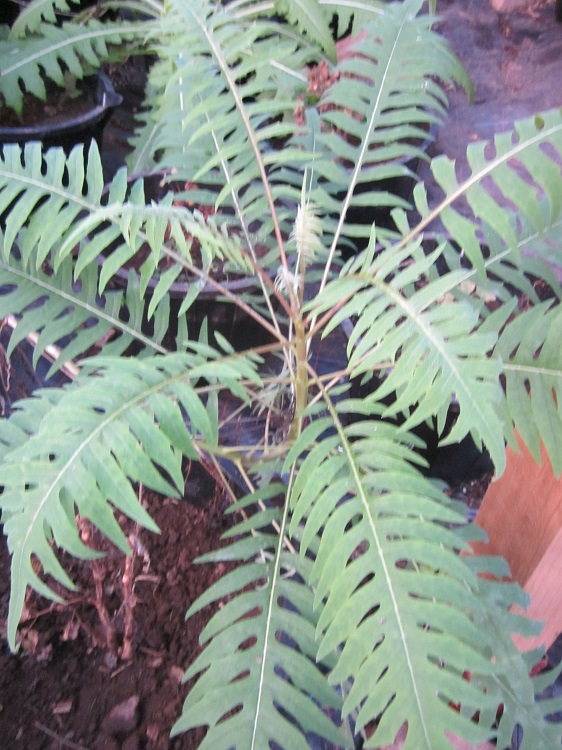
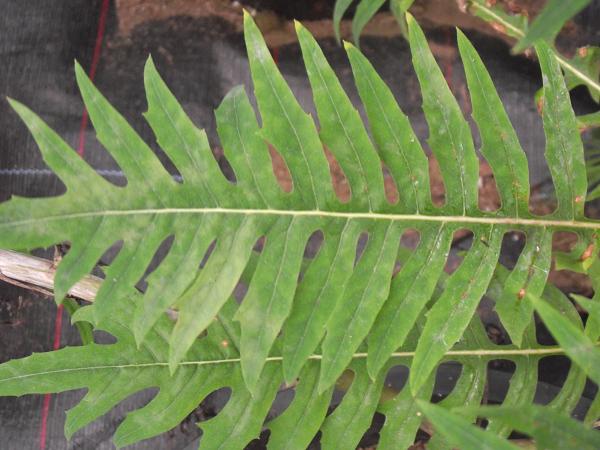
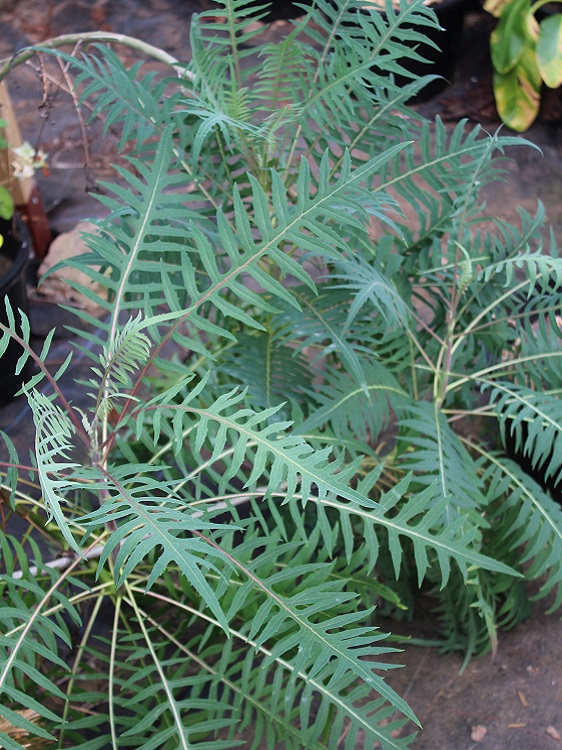
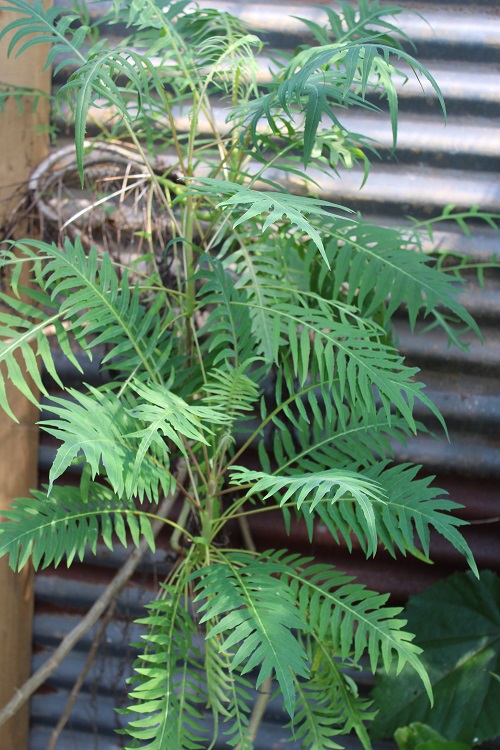
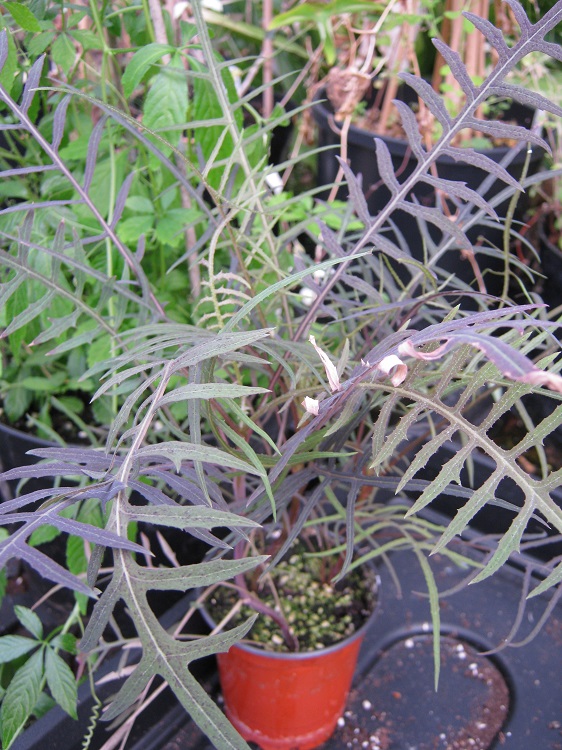
A shrubby species from northwest Tenerife with finely divided leaves. I had it in the greenhouse through the summer and it objected to the heat. If I keep it through the winter it must go outside next summer even if it has to be in a big pot of loamy compost.
It grew well for me for several years though it was a little prone to red spider mite. It was killed outright in the 'Beast form the East' event in 2018 before it had flowered.

Rareplants.de said in their 2012 catalogue:

"Sonchus canariensis 2(4)m, Canary Giant Sowthistle is an impressively tall, woody perennial with upright growing, light greyish brown, slightly branching stems crowned by showy, dense terminal rosettes of large, strongly fern-like, dissected leaves and showy clusters of numerous bright yellow flowers in spring. Native of Northwestern Tenerife, where it has become very rare. Easily cultivated in any rich, well drained soil in a sunny spot throughout the year. In winter keep at a minimum of some 10degC with reduced watering."


15th May 2011

Strange Wonderful Things say:

"The unusual "Tree Sonchus" - Sonchus canariensis - is found nowhere else except the Canary Islands off the coast of North Africa. This wacky, palm tree shaped Daisy relative grows 8 feet tall, looking like a plant from a Dr. Seuss book! Its fern-like foliage and tall stature makes it a bold focal point in the garden. The Tree Sonchus is rare in cultivation, and fresh seeds are rarely seen for sale.
Sonchus canariensis is a woody, perennial species with an upright growth habit. I prefer to grow it with a single, tall, tree-like stem, although you may encourage multiple stems by pruning the top of the main stem. Each spring and summer, the plant forms huge heads of dandelion-like flowers at the tops of the branches. Each branch can have over 100 of these lemon-yellow blooms, which are a favorite of honey bees. This is a non-invasive species. The leaves are reportedly edible, and tasty when cooked.
The plant comes from a Mediterranean climate, with mild temperatures all year, and nights that are cool. I have no information on how much heat it can take, but it's possible that it will decline if temperatures consistently rise above the mid-80s (30°C), especially if nights are warm. The plant tends to go dormant during the warm summer months, during which time it may be moved indoors to a cool spot. Protect it from temperatures below 30° F (-1°C). It prefers full sun during the growing season. It likes well-draining soil and regular watering when young. Mature plants are quite drought tolerant if given ample root space."


15th November 2013 22nd January 2014 20th March 2014 18th April 2015 16th April 2016


References:
  • Strange Wonderful Things, https://www.strangewonderfulthings.com/299.htm , accessed 27.11.2025.