Home Index Web Stuff Copyright Links Me

Trochodendron aralioides


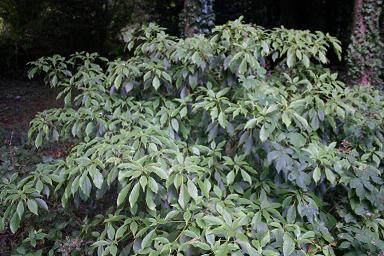
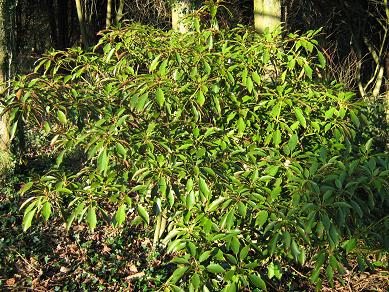
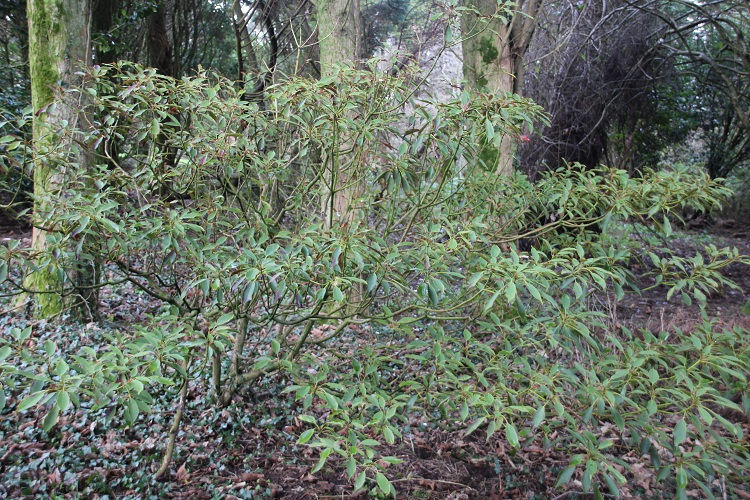
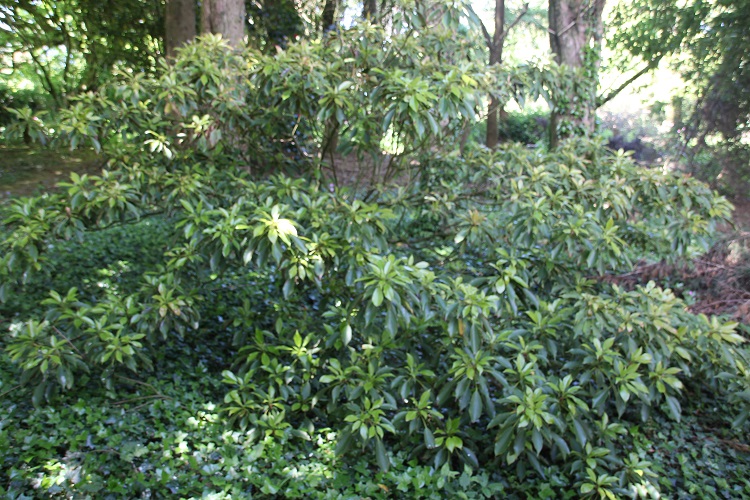
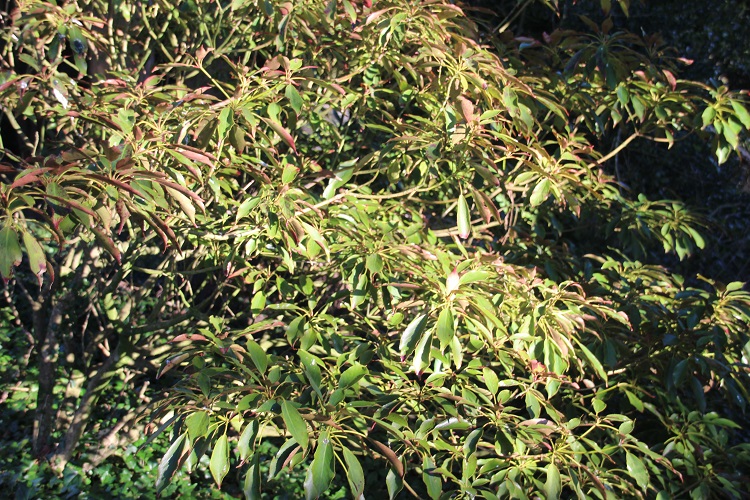
A wonderful evergreen with dull olive foliage and charisma by the bucketload. I love it dearly, and I once called it pug-ugly which is true, but does nothing to diminish its charm. In winter it only takes a moment of low sun to fill it with a golden glow.
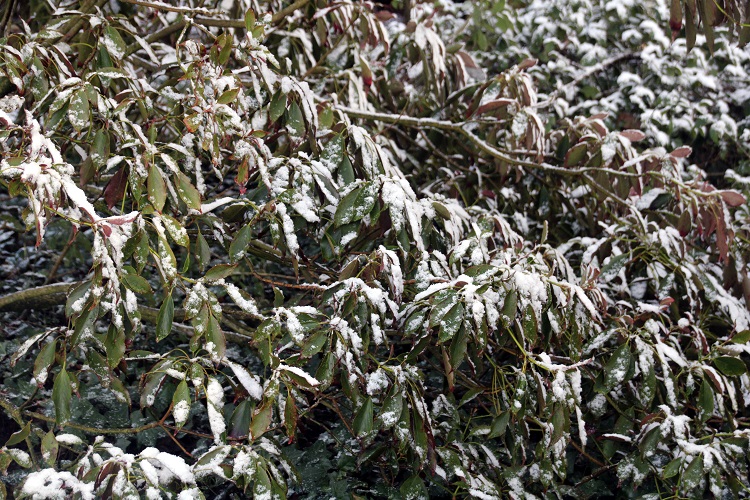
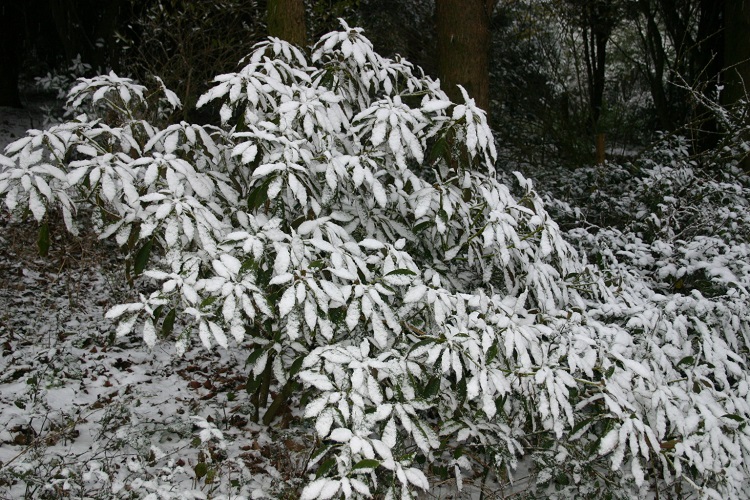
It is a good plant that survives offensive weather without complaint. It is easy to overlook its simple charms, and it hasn't a single feature that makes it stand out. I like it, and it is really easy to be unkind about it. In 2002 I wrote:
"Trochodendron aralioides started 20 years ago as a two foot mound of dull leaves, but after two decades it has now become a towering four foot mound of dull leaves.
The only highlight is the new growth in spring, bursting from the pink tinged buds, a little thrill of excitement, much like getting the washing in just before it rains, or seeing a brown cow in a field of Friesians."


25th November 2005

11th August 2006 3rd January 2009 2nd December 2017

Trees and Shrubs online says:

"Trochodendron aralioides has been of great botanical interest for many years and is now well known in gardens. It was first introduced to western cultivation in the Imperial Botanic Garden, St Petersburg, in 1864 by Carl Johann Maximowicz (1827–1891) (Andrews 2009). The Russian botanist collected it during his early expeditions in Japan, between September 1860 and February 1864. It grows there, and in Taiwan, in temperate mixed broad-leaved evergreen forests with a broad range of associates (Li & Chaw 1996).
Although quite hardy, Trochodendron benefits from some shelter in gardens, especially from cold drying winds. Spring frosts can also be a problem, damaging young growth and in extreme cases causing bark to split. The species excels in mild oceanic climates, such as those that prevail across the UK and Ireland and adjacent parts of western Europe, and on the west coast of North America. It is quite shade tolerant and seems to tolerate a wide range of soils, but it will not grow on chalk. The best growth seems to occur on free-draining, heavy, rich, humusy and moist soils; it is ideally suited to woodland gardens (Andrews 2009; Hogan 2008)."


15th May 2020 7th January 2021 17th January 2023