 |
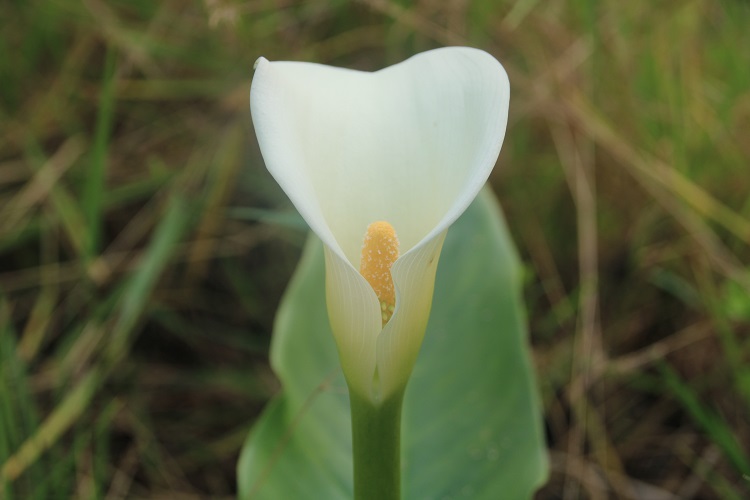
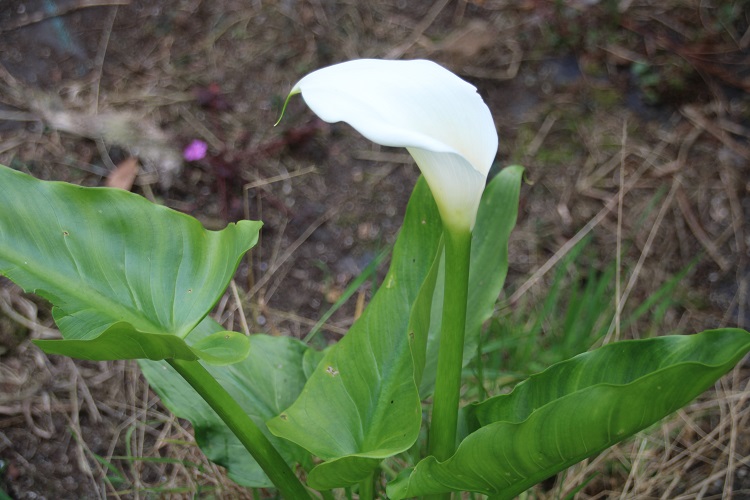
A rare species from a small area of the Bokkeveld Escarpment nearb Nieuwoudtville in the Northern Cape of South Africa. It has a very small distribution
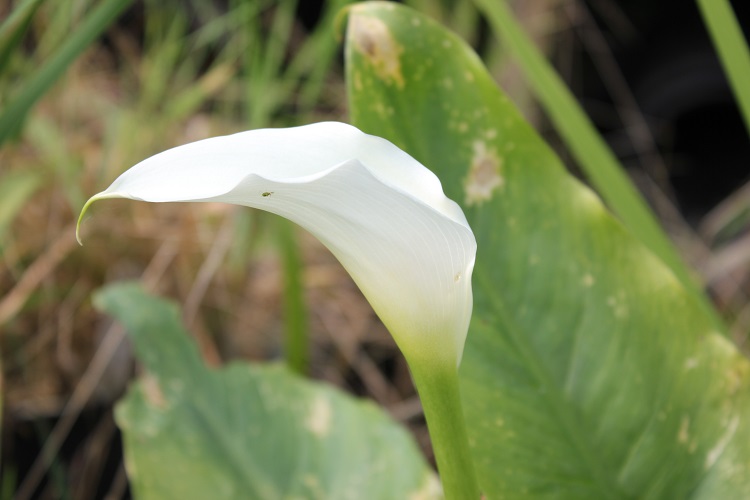
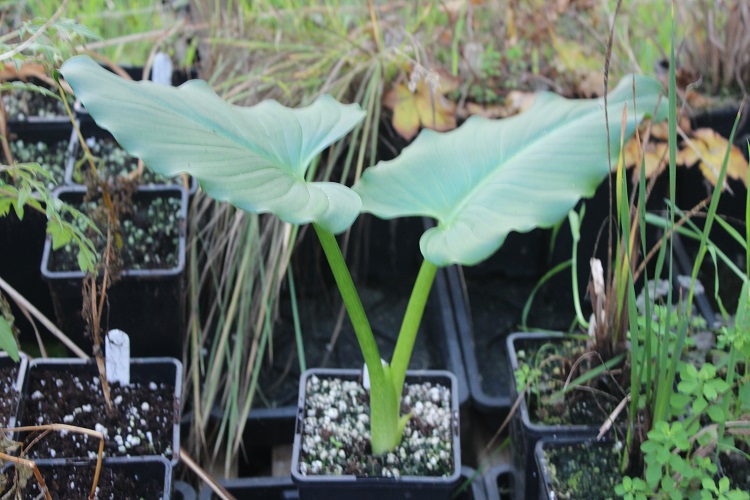
growing wedged between large boulders where it is safe from the ravages of porcupines, which are its main predators. I got it from Desirable Plants and Julian Sutton says it should be autumn growing, advice that it has dutifully followed. The Desirable Plants catalogue says: "Imagine a low-growing, fragrant, winter growing version of the classic big white Z. aethoiopica, and you pretty much have it. It's endemic to the Bokkveld Plateau, and unlike Z. aethiopica (which is native to both summer and winter rainfall areas of South Africa, and absolutely not Ethiopia) doesn't become a summer grower in Britain. Keep it in a pot in the cool greenhouse and dry it out in summer, at least for a little while. If leaf tips start to show, water it up again. The scent is of a delicate floral soap. As with other aroids, we think size of crown is key to flowering, but what conditions help you achieve that? Try it. You won't often get the opportunity." In his 'Garden Diary' for March 2012, John Grimshaw says: "In the late 1990s Kees Sahin gave me a plant of Zantedeschia odorata from his nursery at Ter Aar in Holland. It had been grown from South African seed. I can't recall now whether it had flowered by then, or whether it did in the next year or two once ensconced in the greenhouse at my parents'. I do know, however, that it has not bloomed for at least ten years and for much of that time it has been in something of a lingering state and on several occasions I've considered giving it the push. I brought it to Colesbourne a few years ago and have nurtured it along, though some years it has barely unfurled more than a leaf or two before going back into dormancy. Now at last it has managed to produce two inflorescences, the first of which opened earlier this week - the second is still to come. It's not easy to say what has triggered this success this year, but I think they had a good growing season the winter before, and I got them back into growth in late summer so they benefited from the longer warmer days of early autumn. I've also heard the recommendation that they should be kept very hot and dry in dormancy, but mine have not had those conditions. Zantedeschia odorata was only described in 1989 and grows only in a limited area of the Bokkeveld near Nieuwoudtville (Northern Cape, South Africa) and even here it is limited in habitat to cracks in dolerite rock outcrops where its tubers cannot be dug by porcupines. The locus classicus is the area that is now the Hamtam National Botanic Garden, but when I visited in 2004 was still Glenlyon Farm, carefully managed for its wildflowers by the unique Neil McGregor. It was flowering well at the end of August, rather incongruously emerging from the rock, and it could be seen to be rather different to Z. aethiopica, with narrower spathes, narrower leaves and of course the pleasantly attractive scent. After flowering the infructescence arches to the ground instead of remaining upright as in Z. aethiopica. The two species will hybridize in cultivation, giving the potential of fragrance in white 'callas', though hopefully with the vigour and growability of Z. aethiopica." |
|
| 10th December 2021 | ||